Which responses of your drug candidate do you want to evaluate?
ORGANOPlus proposes human-derived models and validation strategies tailored to your research goals and drug characteristics.
How can drug responses in the human body be evaluated?
Which validation method fits your research goal?
Is there enough evidence to move into further development?
Anticancer and immune responses within the tumor microenvironment
We evaluate drug responses in the tumor microenvironment using patient-derived tumor cells and immune cells.
Immuno-oncology and cell therapy outcomes depend on tumor–immune cell interactions, yet animal models and 2D culture cannot reproduce the human tumor microenvironment or immune cell infiltration.
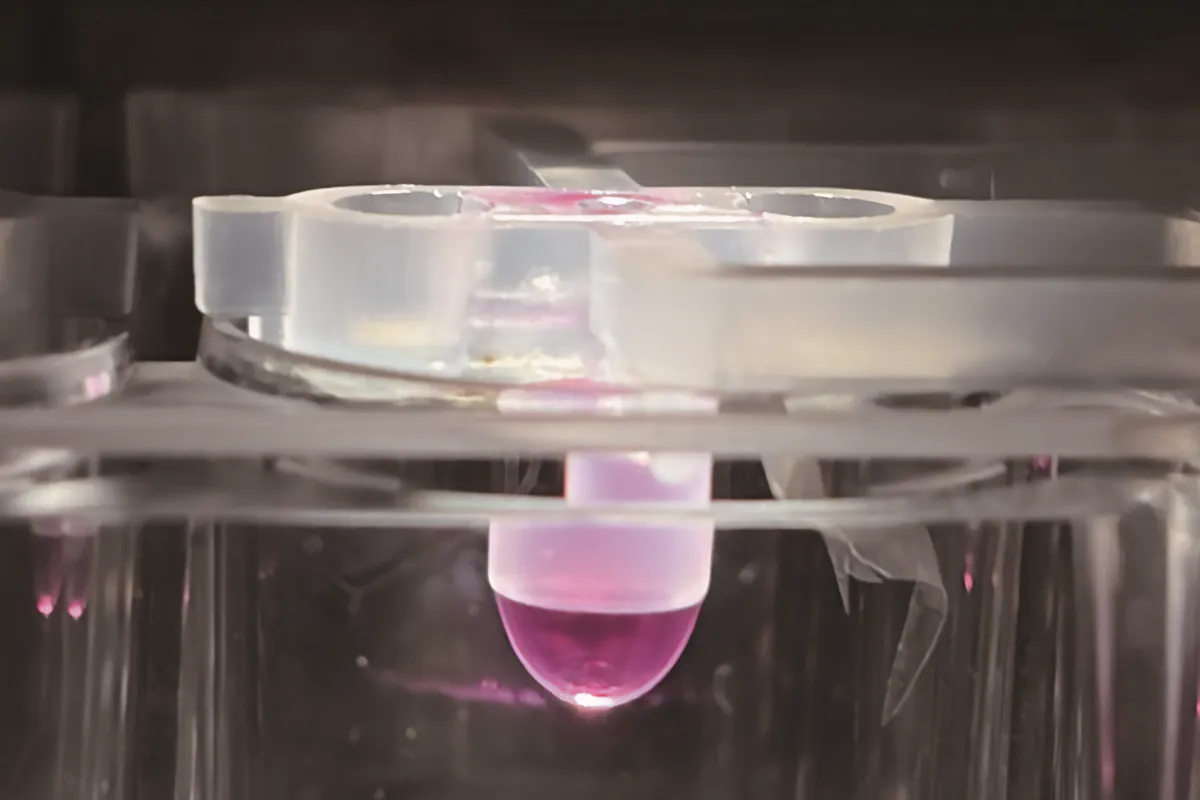
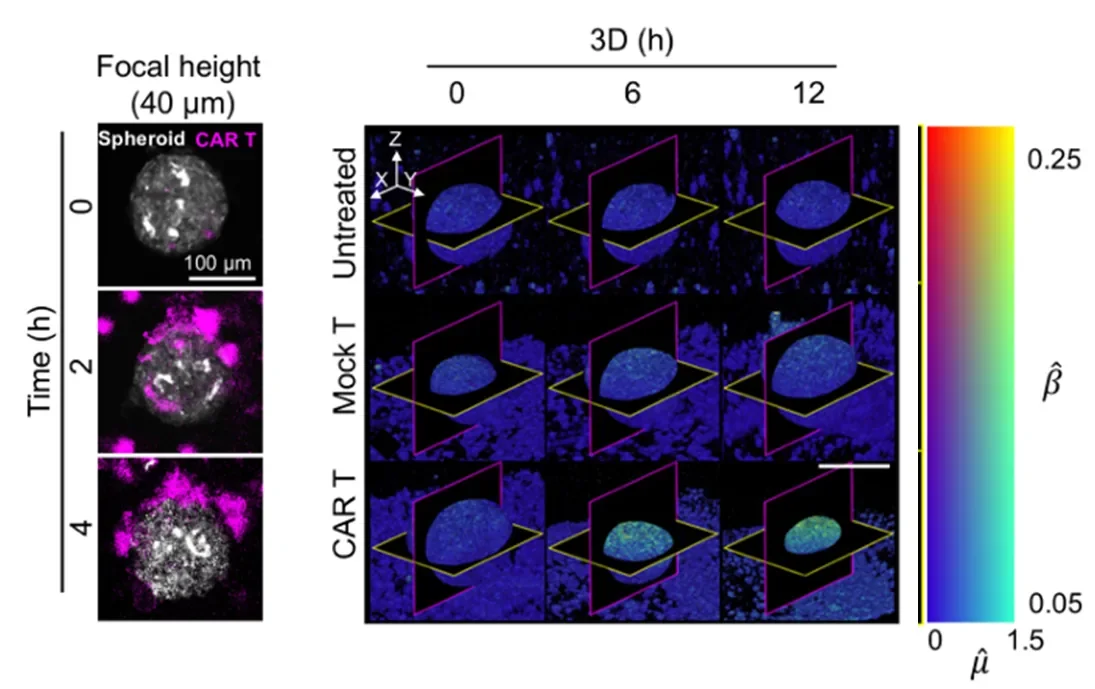
We image CAR-T cells infiltrating tumor spheroids over time and quantify antitumor activity together with immune activation.
Drug and microbial responses in a human gut environment
We mimic human intestinal villi and the mucosal and microbial environment to evaluate barrier function, drug permeation and microbial interactions.
The villi structure of the intestinal epithelium and its anaerobic microbial environment are hard to reproduce in 2D culture or animal models, making it difficult to predict how strains and drugs act in the human gut.
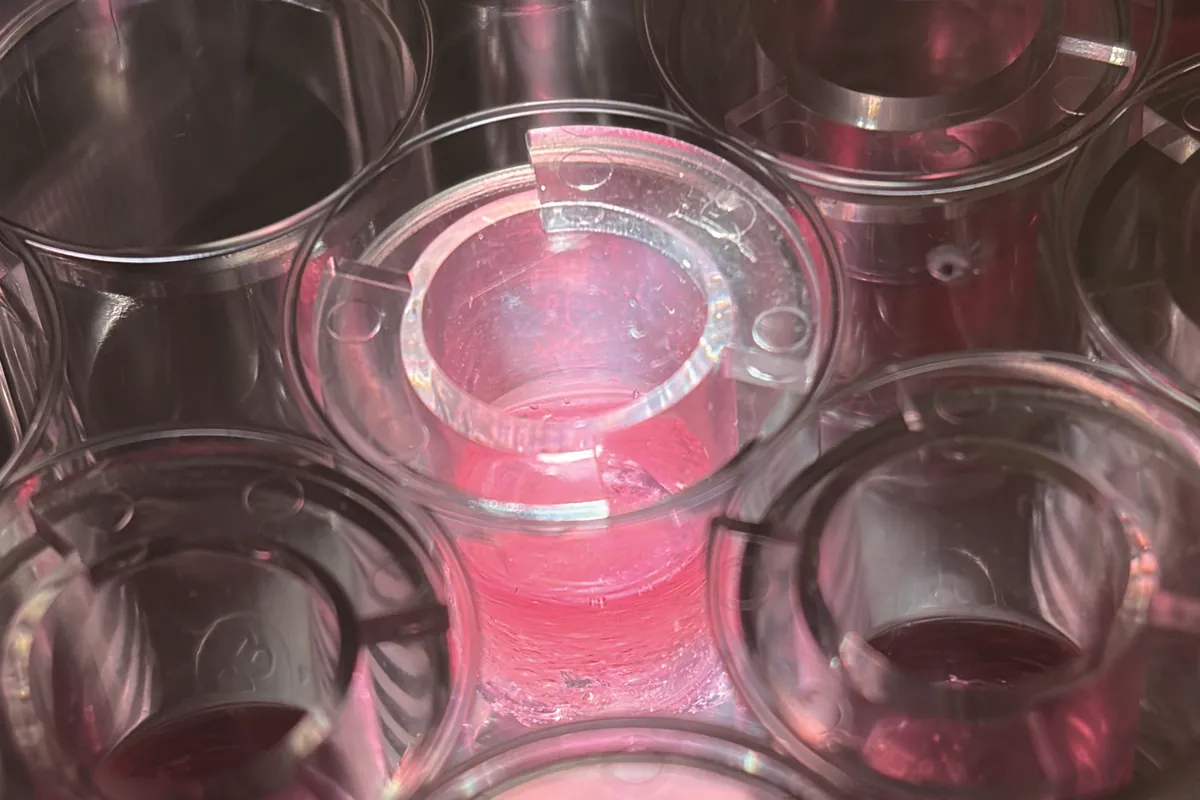

We track mucosal adhesion and survival of novel strains on a villi-structured chip, and confirm the mechanism of action through barrier formation, mucin expression and inflammation-related gene changes.
We design models and readouts around your research objectives.
Model configuration and SOPs matched to indication and mechanism of action
Comparing individual response and resistance across patient cohorts
MAXORGAN™ — Plug & Play assembly of gut–tumor, gut–brain, gut–kidney, skin–liver and more
Quantifying cardiac and hepatic toxicity and drug absorption (ADME)
Metabolic disease, MASH and IBD models

Target-tailored compound design
Organ-on-a-chip response screening
Efficacy, toxicity and response prediction
Structural refinement and prioritization
Recommendations grounded in quantitative data
We quantify drug responses under standardized test procedures and deliver analysis data and result reports tailored to your research goals.
Patient-derived model characteristics and experimental conditions
Efficacy, immune response, barrier function and other readouts
Cell and tissue images with quantitative analysis
A report integrating test conditions, results and data interpretation
