Solutions

Human-Relevant Validation Solutions

Which responses of your drug candidate do you want to evaluate?
ORGANOPlus proposes human-derived models and validation strategies tailored to your research goals and drug characteristics.

NEED 01

Predictive Uncertainty

How can drug responses in the human body be evaluated?

NEED 02

Choosing a Validation Strategy

Which validation method fits your research goal?

NEED 03

Next-Stage Decisions

Is there enough evidence to move into further development?

Solution 01

Oncology & Immunotherapy

Anticancer and immune responses within the tumor microenvironment

We evaluate drug responses in the tumor microenvironment using patient-derived tumor cells and immune cells.

Challenge

Immuno-oncology and cell therapy outcomes depend on tumor–immune cell interactions, yet animal models and 2D culture cannot reproduce the human tumor microenvironment or immune cell infiltration.
Powered by CANORGAN™
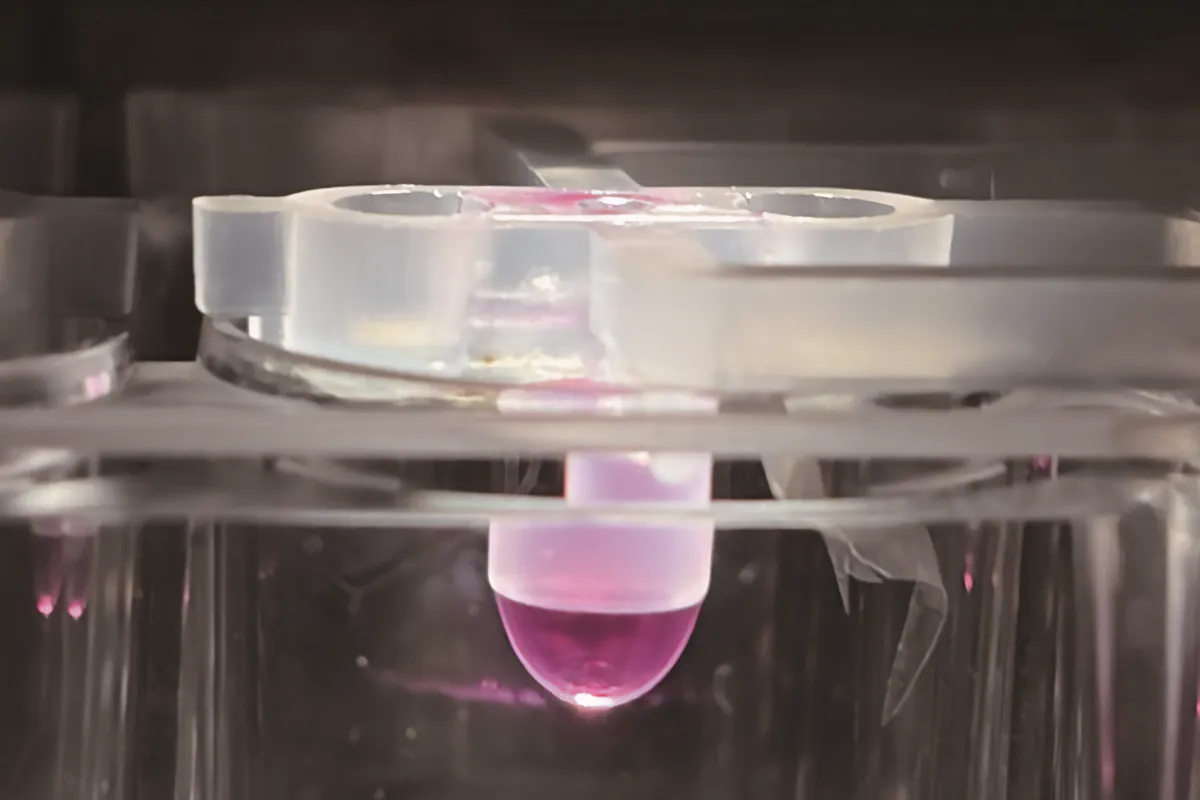
Photo of the CANORGAN™ organ-on-a-chip with culture medium beneath the chip
CANORGAN™ — Tumor microenvironment chip recreating cold and hot tumors

INDICATIONSResearch Areas

  • Pancreatic Cancer
  • Breast Cancer
  • Colorectal Cancer
  • Lung Cancer
  • Liver Cancer
  • Ovarian Cancer
  • Gastric Cancer
  • Brain Cancer
  • Melanoma

MODALITIESTherapeutics Evaluated

  • Immune Checkpoint Inhibitors
  • ADC
  • CAR-T
  • T-cell Engager
  • siRNA · RNA Therapeutics
  • Antibodies · Nanobodies
  • Small Molecules
  • Cancer Vaccines
  • Combination Therapy

READOUTSKey Readouts

Immune InfiltrationImmune cell infiltration dynamics
Tumor KillingCAR-T and T-cell tumor killing
ADC ResponseADC anticancer efficacy
Cytokine MultiplexImmune activation markers
Cell ViabilityViability and cytotoxicity
MorphologyMorphological change (imaging)
Biomarker IntegrationBiomarker relevance
PK/PD CorrelationPharmacokinetic/pharmacodynamic correlation
Toxicity IntegrationIntegrated toxicity assessment

Scientific Evidence

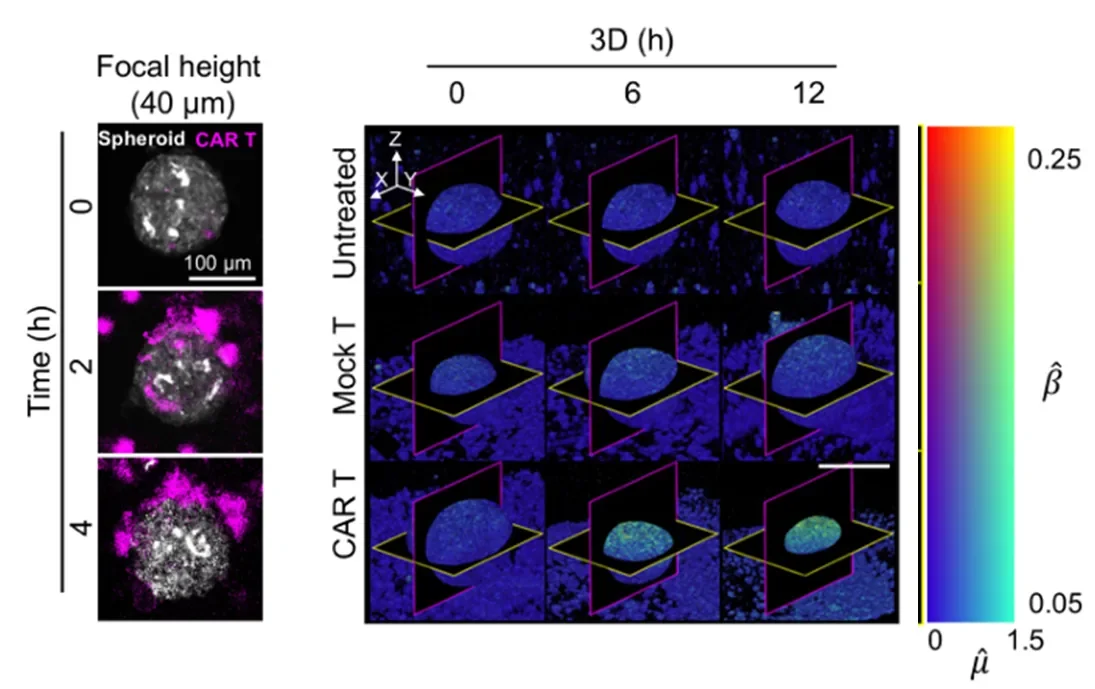
Time-lapse imaging and 3D response analysis of CAR-T cells infiltrating 3D tumor spheroids
Case

CAR-T Cell Response Analysis in 3D Tumor Microenvironments

We image CAR-T cells infiltrating tumor spheroids over time and quantify antitumor activity together with immune activation.

  • Lab on a Chip, 2025
  • Theranostics, 2025

VALIDATION WORKFLOWA validation process built around your research goals

  1. Study designAgreeing on objectives, models and readouts
  2. Model setupPreparing CANORGAN™-based evaluation models
  3. Drug evaluationCandidate treatment and response monitoring
  4. Quantitative analysisAnalysis of drug and immune response data
  5. Results deliveryQuantitative data and analysis report
Solution 02

Gut & Microbiome

Drug and microbial responses in a human gut environment

We mimic human intestinal villi and the mucosal and microbial environment to evaluate barrier function, drug permeation and microbial interactions.

Challenge

The villi structure of the intestinal epithelium and its anaerobic microbial environment are hard to reproduce in 2D culture or animal models, making it difficult to predict how strains and drugs act in the human gut.
Powered by VILLIORGAN™
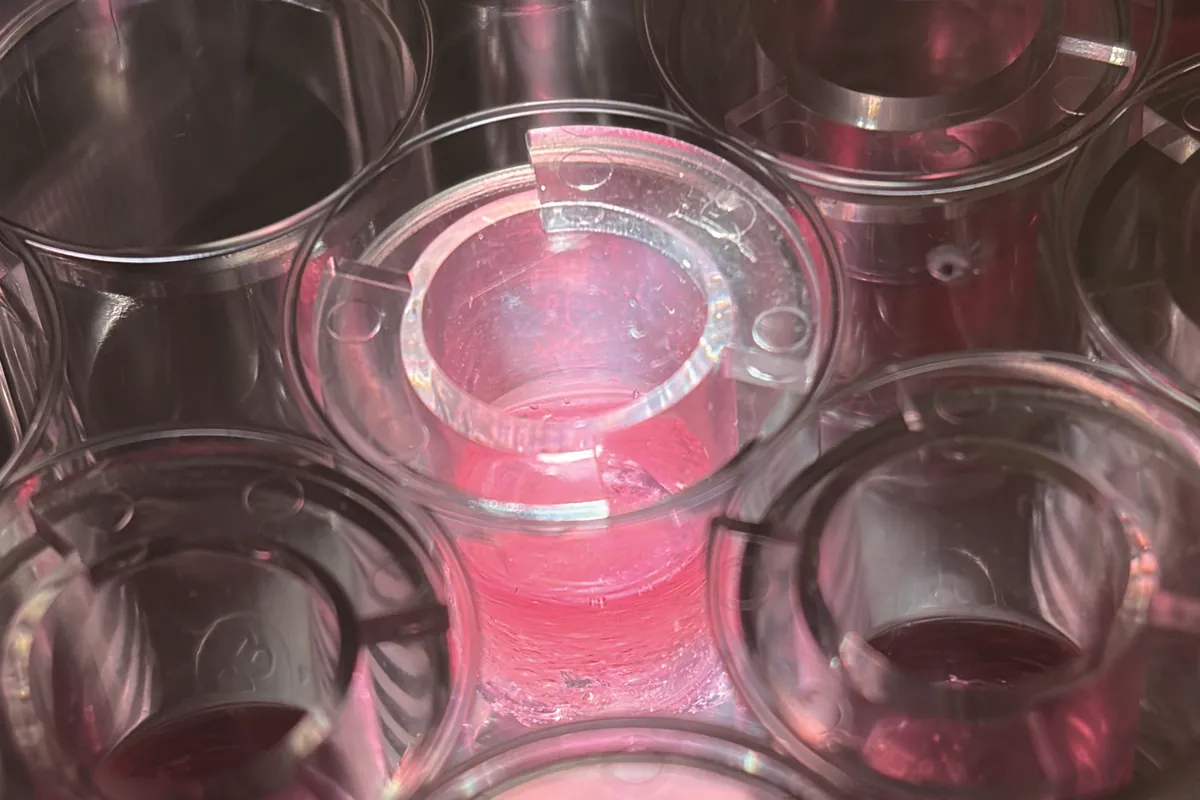
Photo of VILLIORGAN™ gut model inserts in a well plate
VILLIORGAN™ — Human gut model recreating villi structure and mucosal barrier

INDICATIONSResearch Areas

  • Probiotic Adhesion/Survival
  • Intestinal Inflammation and Necrosis
  • IBD · Crohn’s
  • Viral Infection
  • Metabolic Disease

MODALITIESTherapeutics Evaluated

  • Small Molecules
  • Probiotics · Strains
  • Antiviral Drugs
  • Anti-inflammatory Drugs
  • Other Therapeutics on Request

READOUTSKey Readouts

Barrier IntegrityIntestinal barrier function
Drug PermeabilityDrug permeation and absorption
Microbiome ColonizationMicrobial colonization
Mucosal AdhesionMucosal adhesion capacity
Survival RateStrain survival
Immunomodulatory ActivityImmune and inflammatory regulation

Scientific Evidence

Fluorescence images of nuclei, MUC17 and OP820 in 2D Transwell, 3D Villi and 3D Crypt models (a), with side views (b) and 3D views (c)
Case

Attachment and Survival Evaluation of Novel Strains and MoA Validation

We track mucosal adhesion and survival of novel strains on a villi-structured chip, and confirm the mechanism of action through barrier formation, mucin expression and inflammation-related gene changes.

  • Barrier Formation
  • Mucin Expression
Solution 03

Customized Validation

We design models and readouts around your research objectives.

By indication & modality

Model configuration and SOPs matched to indication and mechanism of action

Patient-specific models

Comparing individual response and resistance across patient cohorts

Multi-organ integration

MAXORGAN™ — Plug & Play assembly of gut–tumor, gut–brain, gut–kidney, skin–liver and more

Toxicity & absorption

Quantifying cardiac and hepatic toxicity and drug absorption (ADME)

Rare & chronic disease models

Metabolic disease, MASH and IBD models

AI Platform

ORGANOPlus AI Drug Discovery Platform

ORGANOPlusAI Drug Discovery PlatformA virtuous cycle of drug discovery and efficacy validation built on HT data
  1. 1AI-Driven Candidate Generation

    Target-tailored compound design

    • Generative AI-based molecular design
    • Target-specific compound library generation
  2. 2Automated Experimental Screening

    Organ-on-a-chip response screening

    • High-throughput organ-on-a-chip screening
    • Real-time response analysis through biosensing
  3. 3AI Analysis & Prediction

    Efficacy, toxicity and response prediction

    • AI analysis of cell and tissue responses
    • Efficacy, toxicity and resistance prediction models
  4. 4Candidate Optimization

    Structural refinement and prioritization

    • Molecular optimization
    • Overcoming resistance and structural refinement
  5. 5Validation Report

    Recommendations grounded in quantitative data

    • Efficacy, toxicity and mechanism analysis
    • Prioritized candidates for development
Deliverables

Data & Reporting

We quantify drug responses under standardized test procedures and deliver analysis data and result reports tailored to your research goals.

01 · BIOLOGICAL DATA

Human-derived biological data

Patient-derived model characteristics and experimental conditions

02 · FUNCTIONAL READOUTS

Quantitative drug response data

Efficacy, immune response, barrier function and other readouts

03 · IMAGING & ANALYSIS

Imaging and analysis results

Cell and tissue images with quantitative analysis

04 · SCIENTIFIC REPORTING

Validation report

A report integrating test conditions, results and data interpretation

Advance Your Discovery with ORGANOPlus

We design the optimal human-derived validation strategy together, tailored to your candidate’s characteristics and research goals.

Discuss Your Project